Unifly Joins European Defence Fund Project SPECTRE to Connect Drone Traffic Management with Counter-Drone Systems
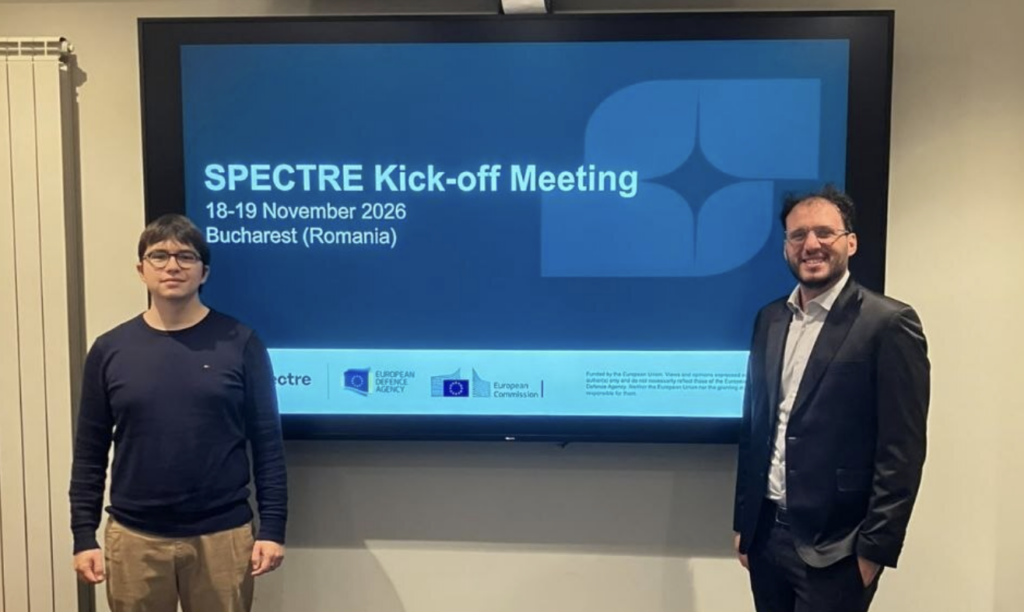
Antwerp, Belgium – 19 November 2026 – Unifly has joined SPECTRE, a 24-month European Defence Fund (EDF) project that started on 1 November 2026 to improve how Europe detects, identifies and responds to small drone threats.
SPECTRE is developing a modular, interoperable system-of-systems (SoS) architecture for counter-unmanned aircraft systems (C-UAS), together with a concept of operations (ConOps) and a reusable framework for defence and cross-border use. It defines how sensors, command and control (C2) systems and effectors work together in one C-UAS ecosystem, and how UAS Traffic Management (UTM) and U-space services connect to it.
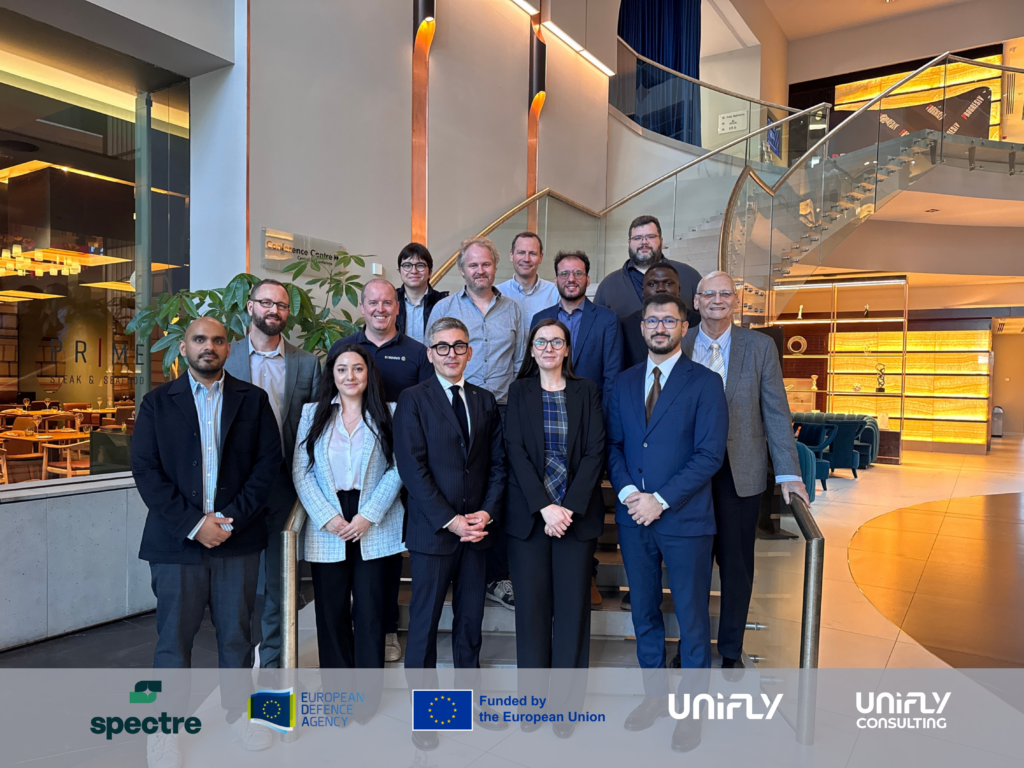
As a core partner, Unifly brings the UTM and U-space expertise that links civil drone traffic management with C-UAS systems. Its role is to make information on authorised drone operations available to the C-UAS chain, so that defence teams can tell known, authorised flights apart from unknown ones.
Unifly Consulting (EuroUSC Italia), part of the Unifly group, contributes legal and regulatory expertise, helping ensure that responses remain lawful and proportionate across borders.
Not every drone detected near a military base, airport or critical infrastructure is a threat. Unifly groups drone activity into five categories, the 5Cs: compliant operations; clueless operators who are unaware of the rules; careless operators who fly unsafely; criminal use, such as smuggling; and coercive flights that deliberately seek to cause disruption or harm.
C-UAS sensors can detect and track a drone, but they cannot always identify it or establish whether the flight is authorised. That identification step determines what happens next: the C2 system can only respond proportionately once it knows whether it is dealing with an authorised operation or an unknown one.
In SPECTRE, UTM data closes that gap. Detected tracks are correlated automatically with authorised drone operations, including where and when each flight is permitted. Tracks that match an authorisation can be deprioritised, while tracks that cannot be matched, or that deviate from their authorisation, are flagged to the C2 system for a response.
“When a drone is detected near a sensitive site, the first question should be whether it is supposed to be there. A drone flying without authorisation is not necessarily a threat, but it does require a closer look. By connecting information about authorised flights with systems that detect potential threats, we want to help defence teams understand the situation faster and respond more appropriately. That is what Unifly brings to SPECTRE.”
Jürgen Verstaen, Co-founder | Director Sales BeLux, Defence & Strategic Programs
Over the next two years, the consortium will define the architecture and its legal framework, integrate the technologies and validate the system in demonstrations in Belgium, Germany and Estonia, including a port and critical-infrastructure environment in Belgium.
ABOUT SPECTRE
SPECTRE (European Unified Aerial Security Ecosystem – Systemic Protection and Escalation Control for Threat Response in Europe) is a 24-month research action funded by the European Defence Fund. The project started on 1 November 2026 and runs until 31 October 2028. It is coordinated by Agile Systems Engineering (RO) and brings together nine partners from five European countries: Agile Systems Engineering (RO), Unifly (BE), INCAS (RO), EuroUSC Italia (IT), DLR (DE), Royal Military Academy (BE), TrackDeep (EE), Nexova Cyber (BE) and Senhive (BE), with EUROCONTROL as an associated partner.
About Unifly
Unifly is a technology company rooted in aviation, dedicated to enabling autonomous aviation by advancing the safety and efficiency of UAS Traffic Management. The Unifly platform connects authorities, drone operators and stakeholders to digitise and automate airspace management, supporting the safe integration of next-generation aircraft. Through Unifly Consulting, the company combines UTM solutions with recognised regulatory and safety expertise, offering SORA, regulatory guidance and operational strategy, creating a comprehensive ecosystem that powers the future of autonomous aviation worldwide.
Funded by the European Union under Grant Agreement No 101305046. Views and opinions expressed are however those of the author(s) only and do not necessarily reflect those of the European Union or the European Defence Agency. Neither the European Union nor the granting authority can be held responsible for them.
For more information, please contact us at press@unifly.aero.